Craft & Tech
Discover how the Craft & Tech department uses hands-on, creative learning across Art, Music, Design & Technology, and Nutrition & Food Science to prepare students for the future.
■ Our Teachers
Craft and Technology department teachers
Head of Department: | Mr. Wai Kam Hoa | ||
|---|---|---|---|
Design & Technologies | Nutrition & Food Science | Art | Music |
Mr. Sirajutheen | Ms Yap Xiu Feng | Ms May Loke (ST) | Mdm Joy Chen |
Mr. Richard Lim | Ms Nurlesa | Ms. Siti Nurhidayu | Ms Cheryl Leung |
Mr. Ong Soon Gee | Mdm Sarinah | ||
■ Curriculum
Craft & Technology covers four subjects: Design & Technology (D&T), Nutrition & Food Science (NFS), Art, and Music. The curriculum is designed to meet the needs of students facing demands of the 21st century.
▸ Hands-on & Creative Learning
D&T and F&N are coursework and skill-based and students are required to solve real-life problems as part of their tasks.
In Art and Music, students are exposed to alternative approaches and experiences to broaden their mind as they learn creative techniques in their art and music making activities.
▸ Developing Future-Ready Skills
To do well, they need to think critically and creatively to produce innovative solutions as well as original compositions.
Through this open-ended experiential learning process, students learn the skills to face challenges of an uncertain future.
▸ ICT-Enabled Learning
The curriculum also include the use of ICT for better engagement in student learning:
Art – Photoshop and Pinterest
Design & Technology – Google Sketch-up and Google Classroom
Nutrition & Food Science – Kahoot and Mentimeter
Music – Garage Band
■ Pedagogy
Different pedagogies are used to deliver the curriculum. They include:
Coursework based learning
Collaborative learning and Self-directed learning
Critical and Inventive Thinking eg. Inquiry Learning, Design Thinking
Experiential learning
We aim to excite and engage our learners through authentic learning experiences and encourage them to cultivate an appreciation and zest for their craft. This is guided by our 3E approach of Excite, Engage and Excel.
■ Assessment
Being coursework based subjects, the overall assessment is weighted towards the coursework component. Depending on the different levels and streams, the final assessment may include up to 70% of weighting for the coursework. This works towards meeting the following weighting criteria at the GCE national examination:
D&T: 30% written paper, 70% coursework
F&N: 40% written paper, 60% coursework
Art: 40% drawing paper, 60% coursework
Assessment for learning (AFL) is employed to help students learn effectively through the use of multiple bite-sized assessments such as quizzes. These help to identify students’ weaknesses and what teachers can do to help students address their areas of concern.
■ Learning Experiences
▸ Art


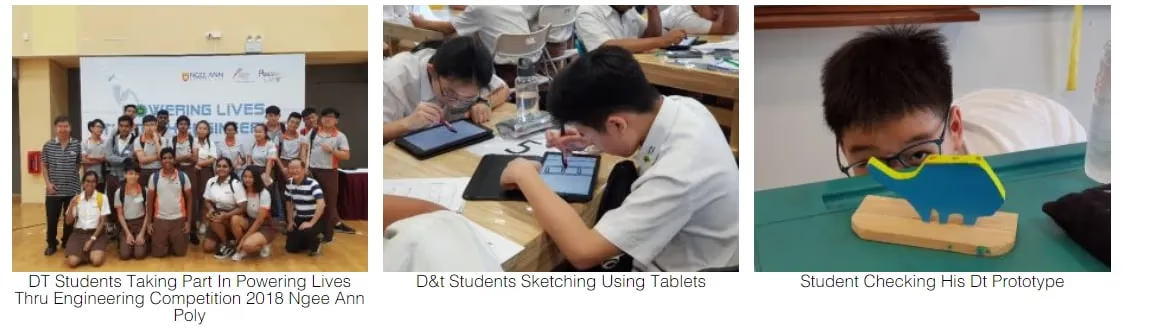
▸Design & Technology
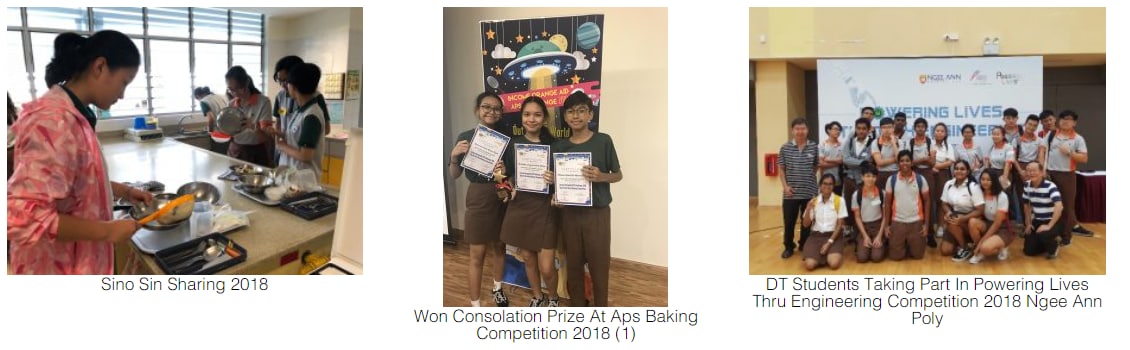
▸Nutrition & Food Science
▸Music
Students would be able to experience a variety of music making opportunities with MTV routines to bring in authentic learning in music lessons. Through creative music making in the music classroom in various mediums, students would develop lifelong music skills and Socio-Emotional Competencies through the practice of Musicking. With reference to the 21st Century Competencies and Student Outcomes (Ministry Of Education, 2018), students would collaborate with each other to learn from one other in a school community setting.
Students would have the opportunity to experience the following:
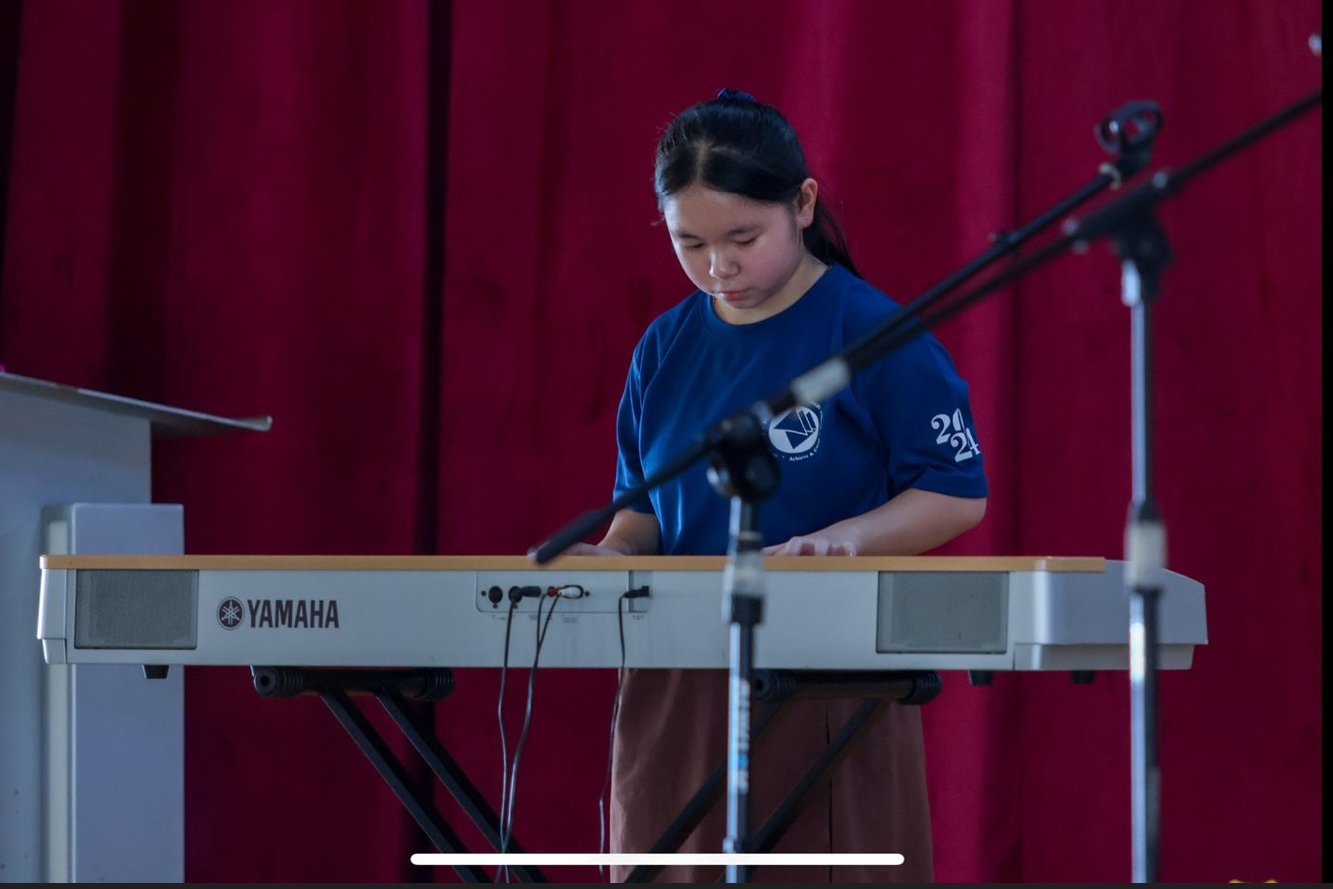
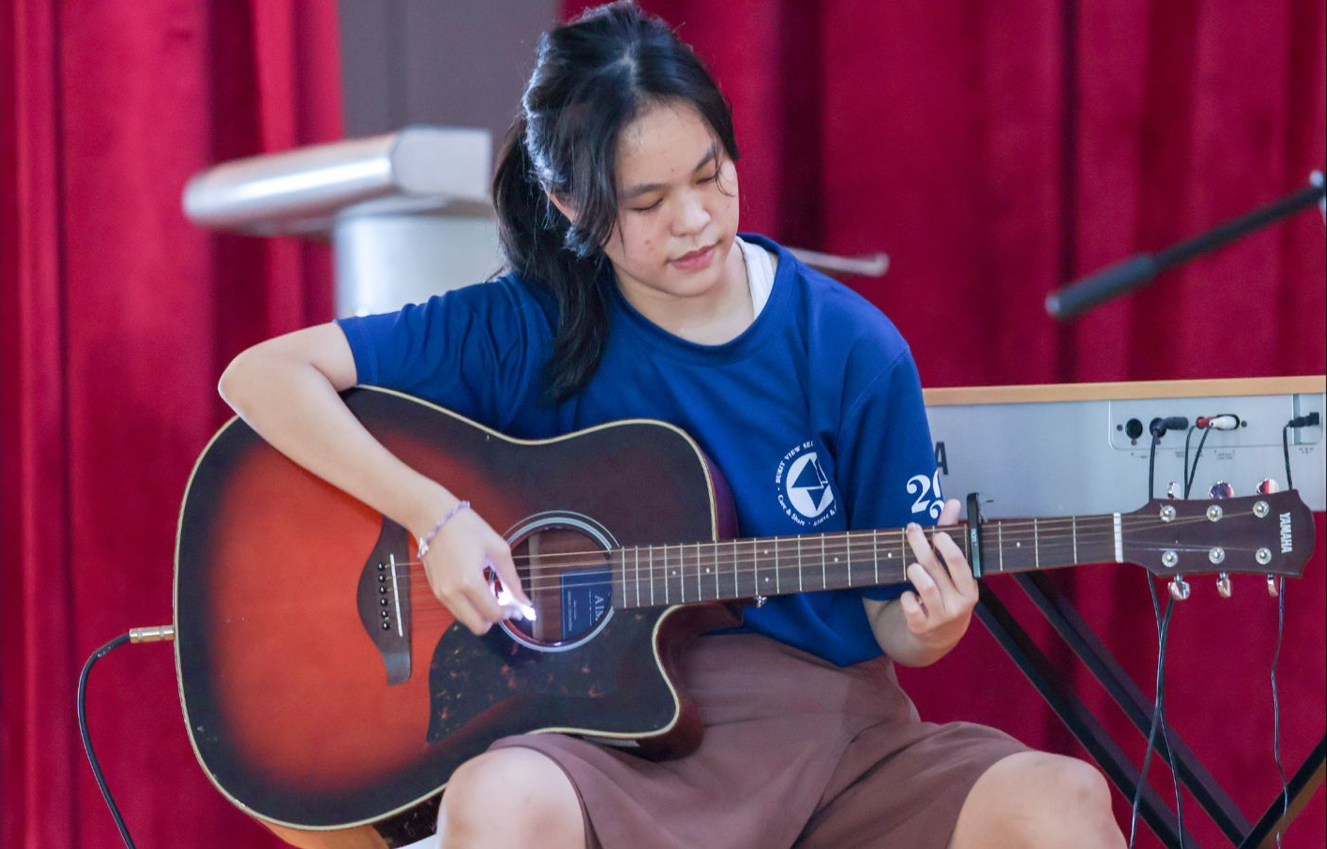
Instrumental learning (Ukulele, Guitar, Drums, Keyboard)
Local songs module
Pop band module
IT module (Garageband or Bandlab)
Rap Module
Music is assessed twice a year. Assessments include research work, individual instrumental assessments, ensemble work and listening tests. Weightage for each component vary by year.
▪ Key programmes
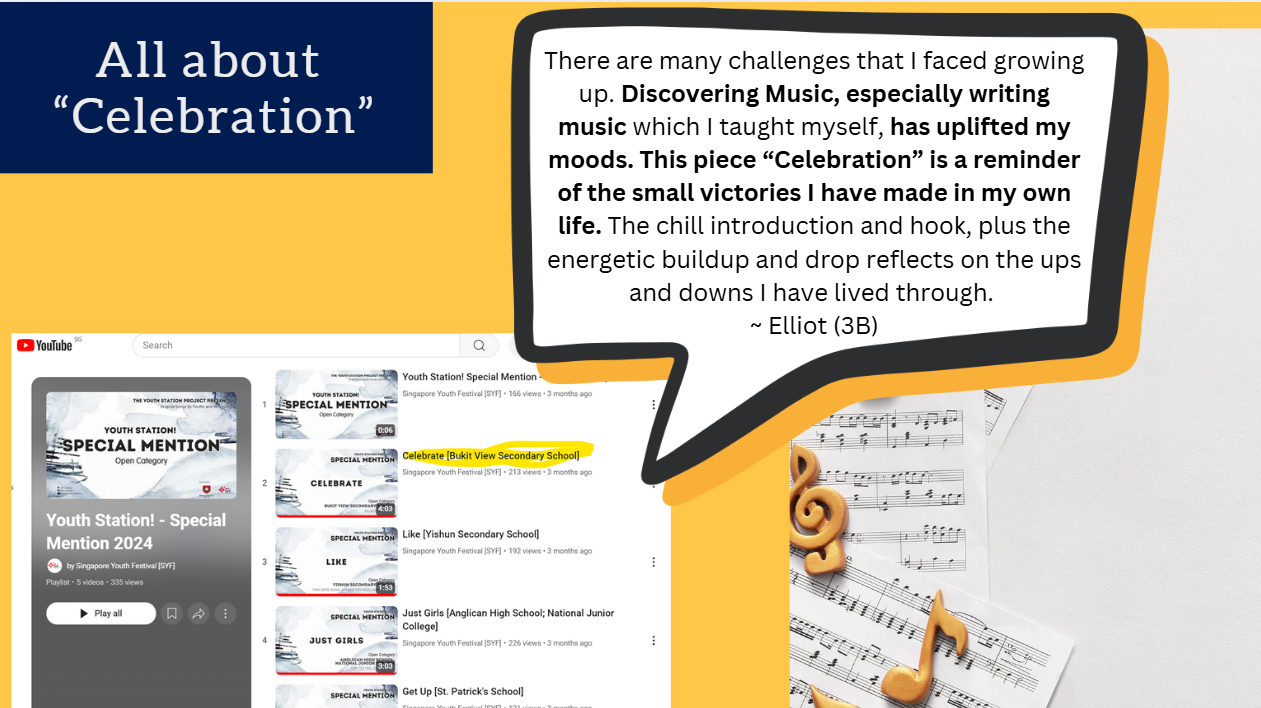
SYF Youth Station Project (song composition)
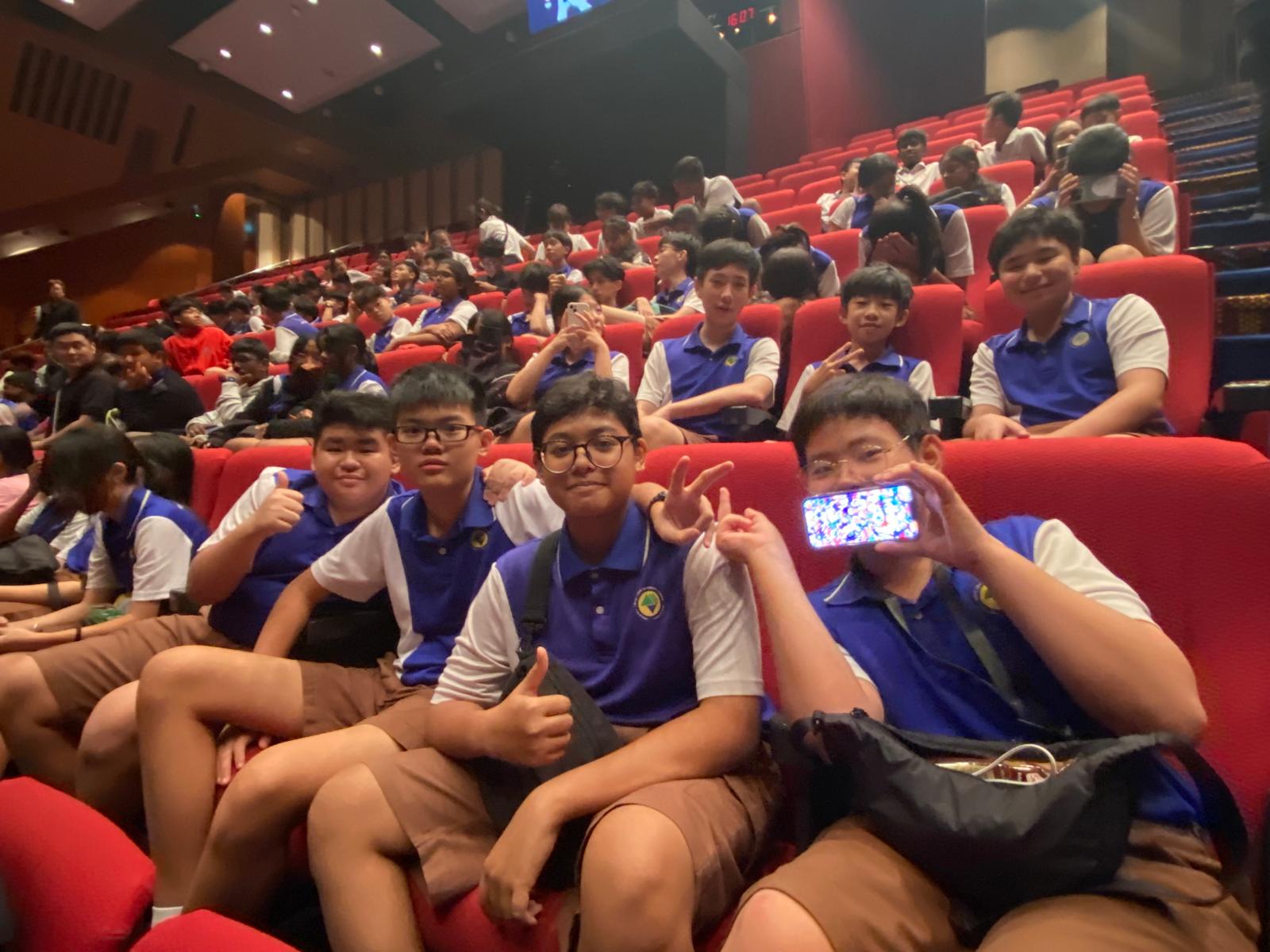
Youth Day performances
Open Mic performances
Performing Arts-Based Learning (PABL)
Enrichment programmes – Drumming